
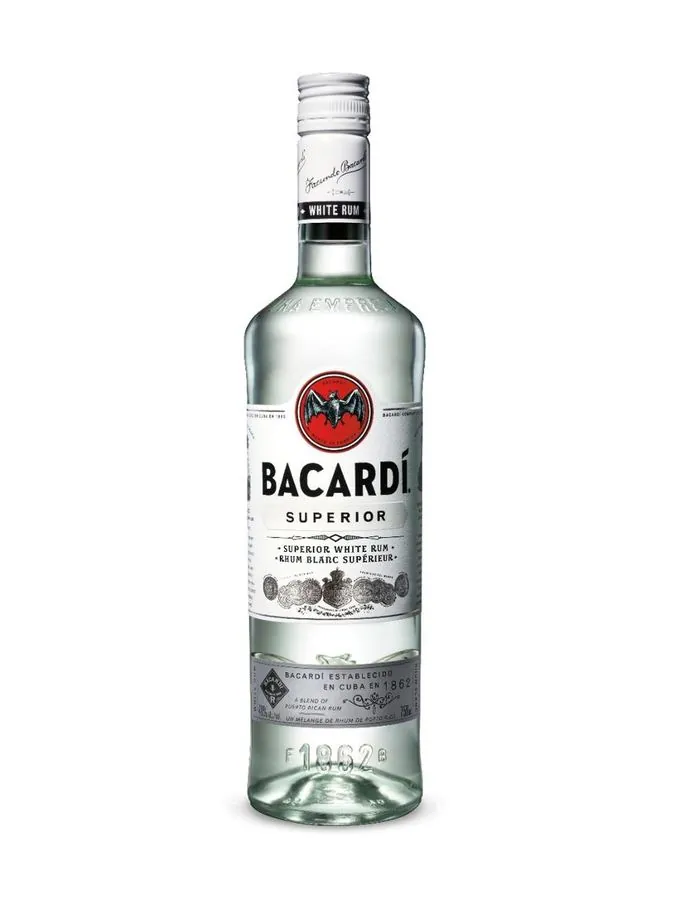
Bacardí Superior White Rum
Choose your pack size
$80.00
In stock
Brand profile
Bacardí began in Santiago de Cuba in 1862, when Don Facundo Bacardí Massó set out to make a more refined style of rum. The family business grew around a new approach to blending, ageing and filtering, a bat emblem that became inseparable from its identity, and a close association with Cuban mixed drinks. Political upheaval eventually forced the company from Cuba, but the brand continued to expand internationally. Today, Bacardí remains known for a broad rum portfolio that ranges from light mixing styles to deeper aged expressions.
01
Don Facundo Bacardí Massó founded the business on February 4, 1862, after purchasing a small distillery in Santiago de Cuba. At the time, much of the rum sold locally was robust and inconsistent. Bacardí pursued something more controlled: a spirit that could appeal to Cuba’s growing urban middle class as well as established rum drinkers.
The early company combined several methods rather than relying on one breakthrough. Selected yeast, parallel distillates with different characters, charcoal filtration, oak ageing and careful blending all contributed to a lighter, more polished house style. That approach helped distinguish Bacardí from the heavier rums common in the nineteenth century and gave the young brand a clear identity of its own.
02
Fruit bats lived in the rafters of the first distillery. Facundo’s wife, Doña Amalia, proposed the bat as the rum’s emblem because it carried positive associations with family unity, health and good fortune in Spanish and Cuban traditions. The image also solved a practical problem: it made the bottle recognizable to customers regardless of literacy.
Locally, the rum became known as the rum of the bat. More than a decorative mark, the emblem gave Bacardí a visual signature that could travel as the business moved beyond Santiago. It remains one of the clearest links between the modern brand and its Cuban beginnings.
03
Bacardí’s development overlapped with a formative period in Cuban cocktail culture. Drinks such as the Daiquiri and Cuba Libre became internationally familiar as travel, trade and tourism carried Cuban drinking customs abroad. A lighter-bodied rum worked naturally in these combinations because it could support citrus, sugar and sparkling mixers without overwhelming them.
That history explains why the Bacardí name is so closely tied to mixed drinks, but it does not reduce the brand to a single recipe. Its wider range gradually grew to include gold, dark and longer-aged rums, giving the company a portfolio that could serve different occasions while retaining the same family identity.
04
The Bacardí family expanded outside Cuba before the 1959 revolution, establishing operations and commercial links in markets including Mexico, Puerto Rico and the United States. That groundwork proved decisive after Cuba’s revolutionary government confiscated the company’s Cuban assets in 1960. The family continued the business from outside the country rather than surrendering the brand.
Puerto Rico became a major production centre, while the company developed into an international, family-controlled spirits group. The journey from one Santiago distillery to a global business is central to the Bacardí story: the brand’s Cuban origin remains foundational even though its operating footprint moved far beyond Cuba.
Current catalogue
Open a product to see its full bottle details, or choose an available size and add it to your cart.
Choose your pack size
$80.00
In stock
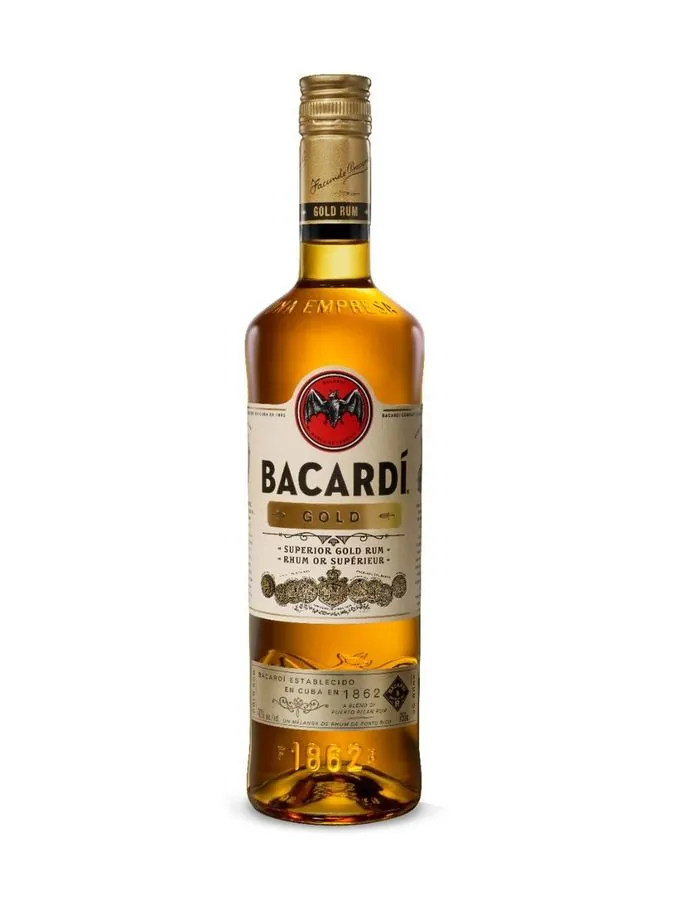
Choose your pack size
$80.00
In stock
Compare this brand with the full BottlesNow rum range, or check your delivery area for current availability, fees and timing.