The rules in one table
| Style | Grain | Barrel | Minimum age |
|---|---|---|---|
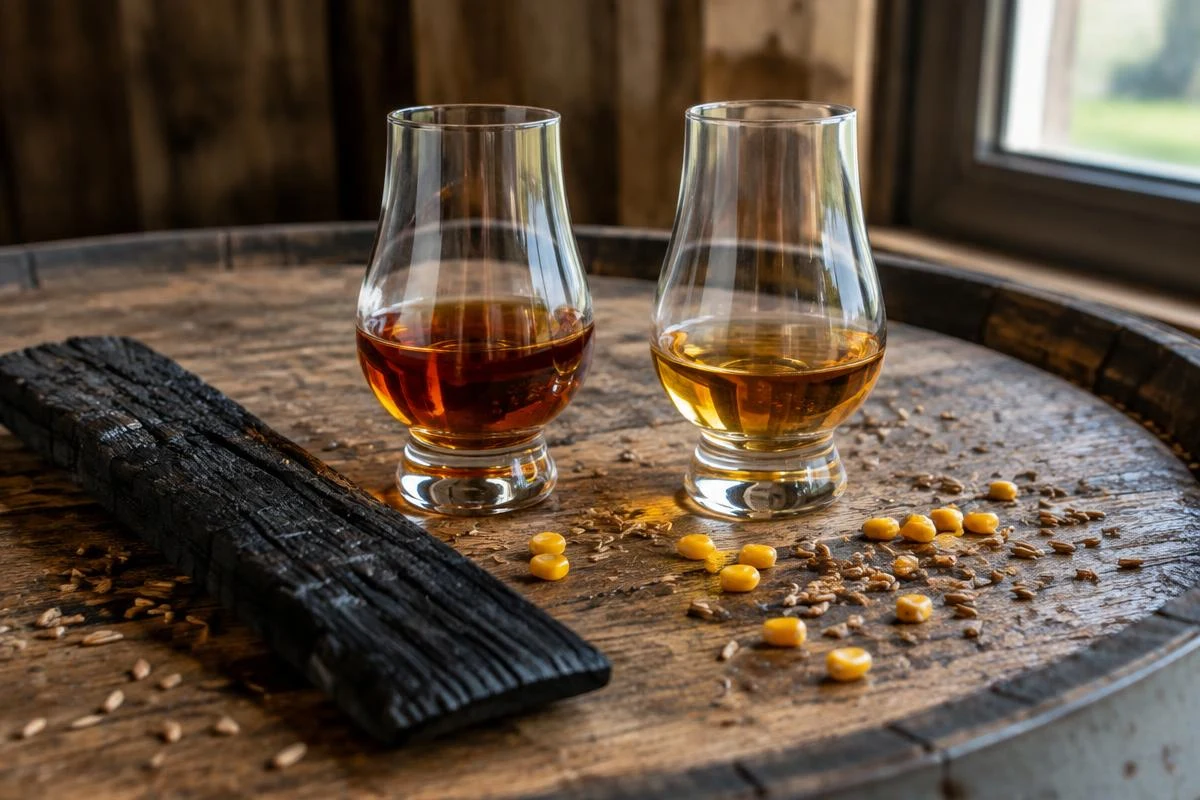
| Canadian | Mostly corn, flavoured with rye | Used or new oak | Three years in Canada |
| Bourbon | At least 51% corn | New charred oak | No minimum, two years for 'straight' |
| Scotch | Malted barley or grain | Used oak, often ex-bourbon | Three years in Scotland |
What each one tastes like
Canadian whisky is light and smooth, with a soft sweetness and a rye spice running underneath. It is the easiest of the three to drink with a mixer, which is why it dominates the highball.
Bourbon is sweeter and heavier because new charred oak gives up a lot of vanilla and caramel. Scotch is drier and more structured, and depending on the region it can carry smoke, sea salt or dried fruit.
Pick by how you drink, not by country
- Whisky and ginger, or any long mixed drink: Canadian. J.P. Wiser's Deluxe or Canadian Club at $80 are built for it.
- Old fashioned or anything with bitters and sugar: bourbon or Tennessee whiskey — Jack Daniel's Old No. 7 at $85 is the familiar one.
- Neat, slowly, after dinner: scotch. Johnnie Walker Red Label at $95 is the entry point; the Black Label at $130 is smoother and rounder.
- First bottle for someone new to whiskey: Canadian or Irish, both of which are gentle enough not to put them off.
Bottles that show the difference
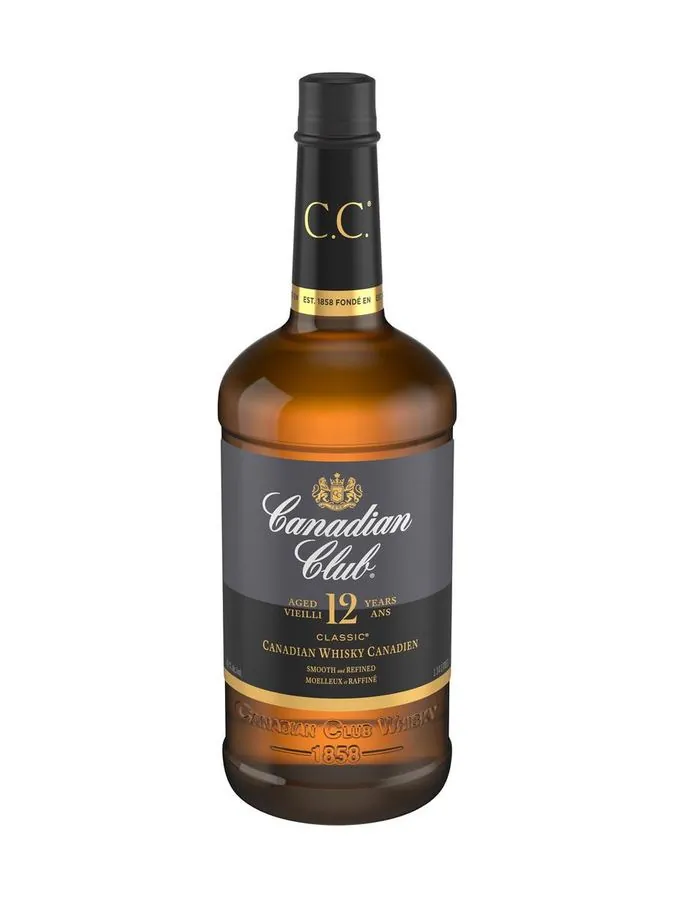
Canadian Club
Choose your pack size
$80.00
In stock
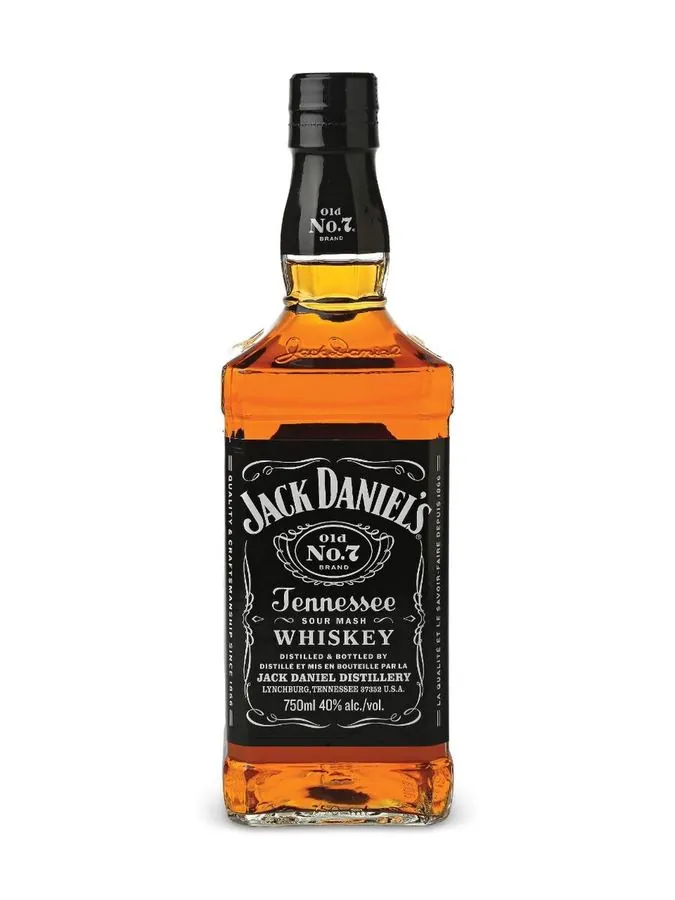
Jack Daniel's Old No. 7
750 mL
$85.00
In stock
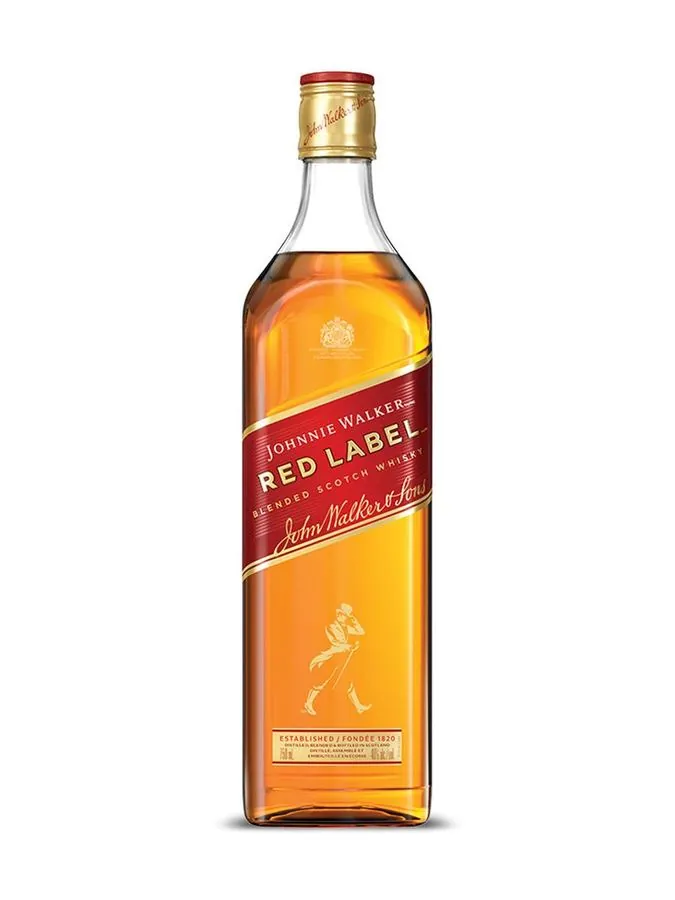
Johnnie Walker Red Label
750 mL
$95.00
In stock
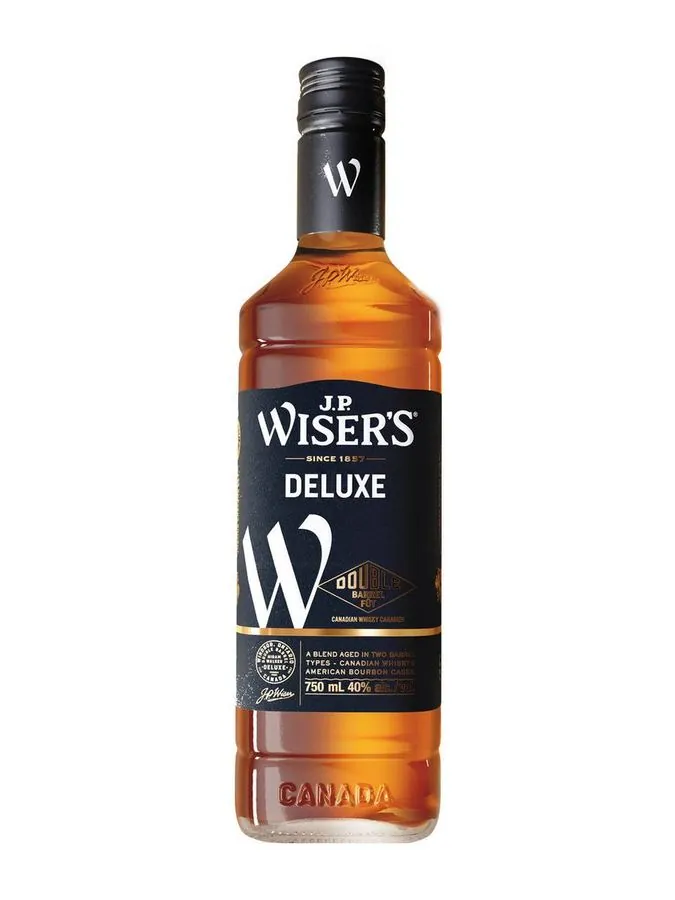
J.P. Wiser's Deluxe
Choose your pack size
$80.00
In stock
What age statements do and do not tell you
A number on the bottle is the youngest whiskey in the blend, not an average and not a quality rating. Longer ageing adds oak character, but past a point it can also flatten the grain.
Plenty of excellent bottles carry no age statement at all. Style and how it is made matters far more to your enjoyment than years in a warehouse.
Why the spelling changes
Scotland, Canada and Japan generally write whisky; Ireland and the United States generally write whiskey. It is a spelling convention, not a difference in the liquid.
We use whiskey across the site for consistency, while individual bottle names keep whatever their own label says.
Common questions
Is rye the same as Canadian whisky?
In Canada the words are used interchangeably, even when the mash is mostly corn. In the United States, rye whiskey must be at least 51 percent rye grain, which makes it noticeably spicier.
Which is the best whiskey for mixing?
Canadian, most of the time. It is light enough to sit under ginger ale or cola without fighting it, and it is the most affordable of the three to pour freely.
Does all scotch taste smoky?
No. Peat smoke is a regional style, most associated with Islay. Plenty of blends and Speyside malts have no smoke at all.